

Gold Nuggets | Value, Types, Prices & How to Buy Real Ones in 2026
In January 2026, with gold spot prices hovering around $5,200 per ounce amid record highs driven by central bank demand, geopolitical uncertainty, and inflation fears, gold nuggets have emerged as one of the most intriguing and valuable forms of physical gold.
These natural treasures—raw, unrefined pieces of gold formed deep in the Earth—are far rarer than refined bullion and command significant premiums due to their unique shapes, historical appeal, and collector demand.
Unlike standard gold coins or bars, natural gold nuggets offer a direct connection to geology and mining history, making them prized by investors, collectors, and even museums.
Gold nuggets differ dramatically from refined gold products because they retain their original, irregular forms shaped by nature over millions of years.
While refined gold provides predictable value tied closely to spot prices, nuggets blend melt value with artistic and rarity premiums that can push their worth far beyond simple weight calculations.
Collectors love them for their one-of-a-kind appearance, and investors view them as a hedge with potential for appreciation as gold demand surges.
This guide covers everything you need to know about gold nuggets—from formation and types to current pricing, identification tips, and safe buying strategies.
Whether you’re in Kampala exploring local African gold opportunities or sourcing internationally, you’ll learn how to spot real nuggets, avoid scams, and decide if they fit your portfolio.
By understanding gold nuggets, you’ll see why they attract serious buyers in 2026’s elevated market.
Large, well-formed specimens have sold for multiples of spot value, turning modest finds into significant investments.
Read on to discover if natural gold nuggets could be your next smart move.
What Are Gold Nuggets?
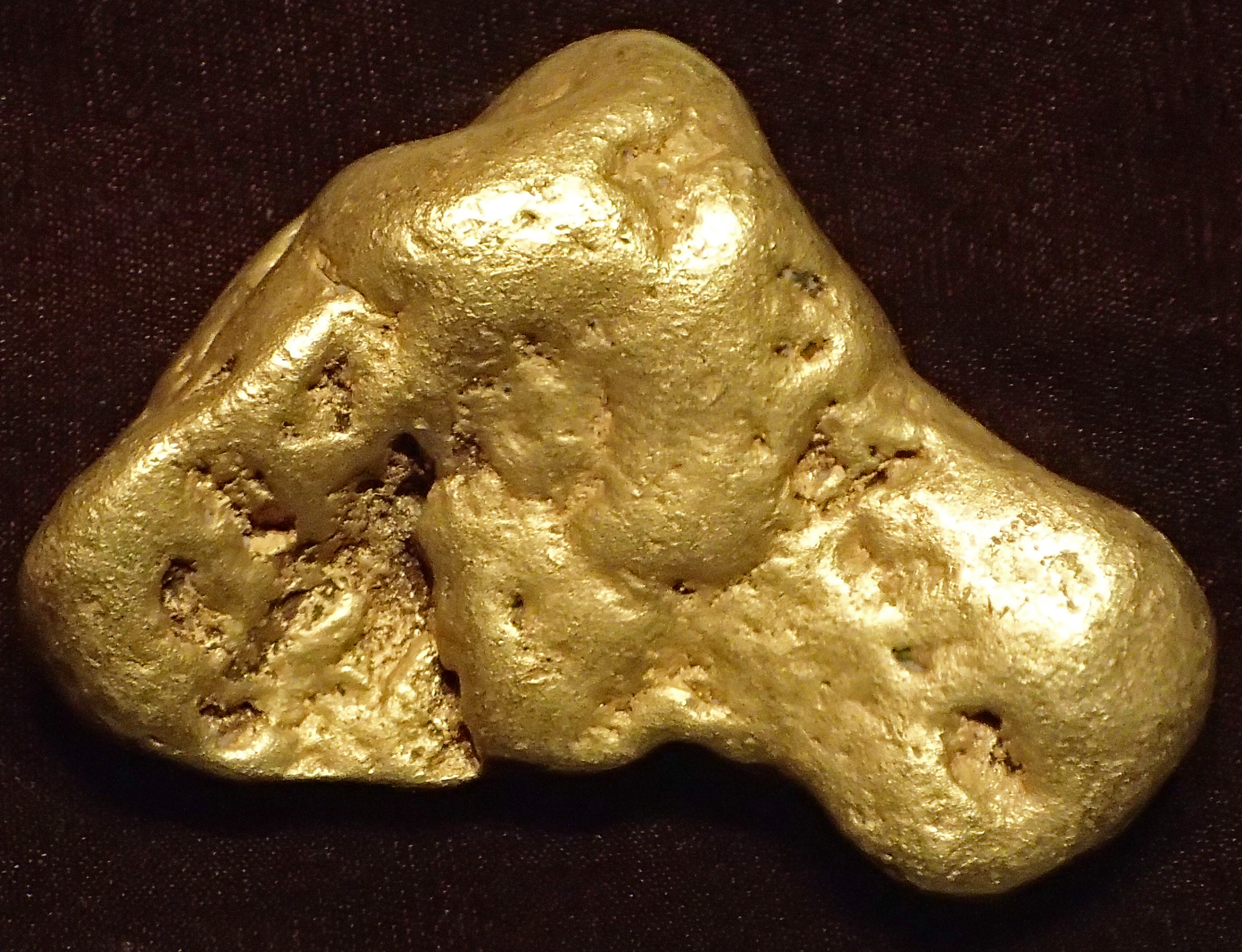
Gold nuggets are naturally occurring pieces of native gold found in nature, typically in placer deposits where erosion has concentrated gold particles into larger, solid lumps.
Unlike gold dust or fine flakes that require extensive processing to recover, nuggets are intact chunks ranging from tiny pebbles to massive specimens weighing kilograms.
They consist of nearly pure gold (often 80-95% purity) alloyed with traces of silver, copper, or other metals, giving them distinctive colors and textures.
The key difference from gold dust and flakes lies in size and form. Dust and flakes are microscopic or small particles washed into streams, easy to pan but low in individual value.
Nuggets, however, form when smaller particles aggregate over time through geological processes, creating solid, irregular shapes that resist breaking apart.
This makes natural gold nuggets premium gold—rarer, more desirable, and often valued higher per ounce due to their scarcity.
In the 2026 market, gold nuggets are considered premium because supply is limited to historical mining regions and occasional new discoveries.
Most come from Australia, Alaska, California, and parts of Africa, with large nuggets becoming increasingly rare as easy deposits are exhausted.
Their appeal combines investment potential with collectible allure: a well-shaped nugget can fetch 50-200% premiums over melt value, depending on aesthetics and provenance.
Check this guide to learn about Gold Nuggets Ring in 2026.
How Gold Nuggets Are Formed Naturally
Gold nuggets form through complex geological processes spanning millions of years.
Gold originates in hydrothermal veins deep within the Earth’s crust, where hot fluids deposit the metal in quartz or other rocks.
Over time, weathering and erosion break down these primary deposits, freeing gold particles that are carried by water into rivers and streams.
In placer environments, gold—being dense—heavier than surrounding sediment—settles in crevices, behind boulders, or in river bends.
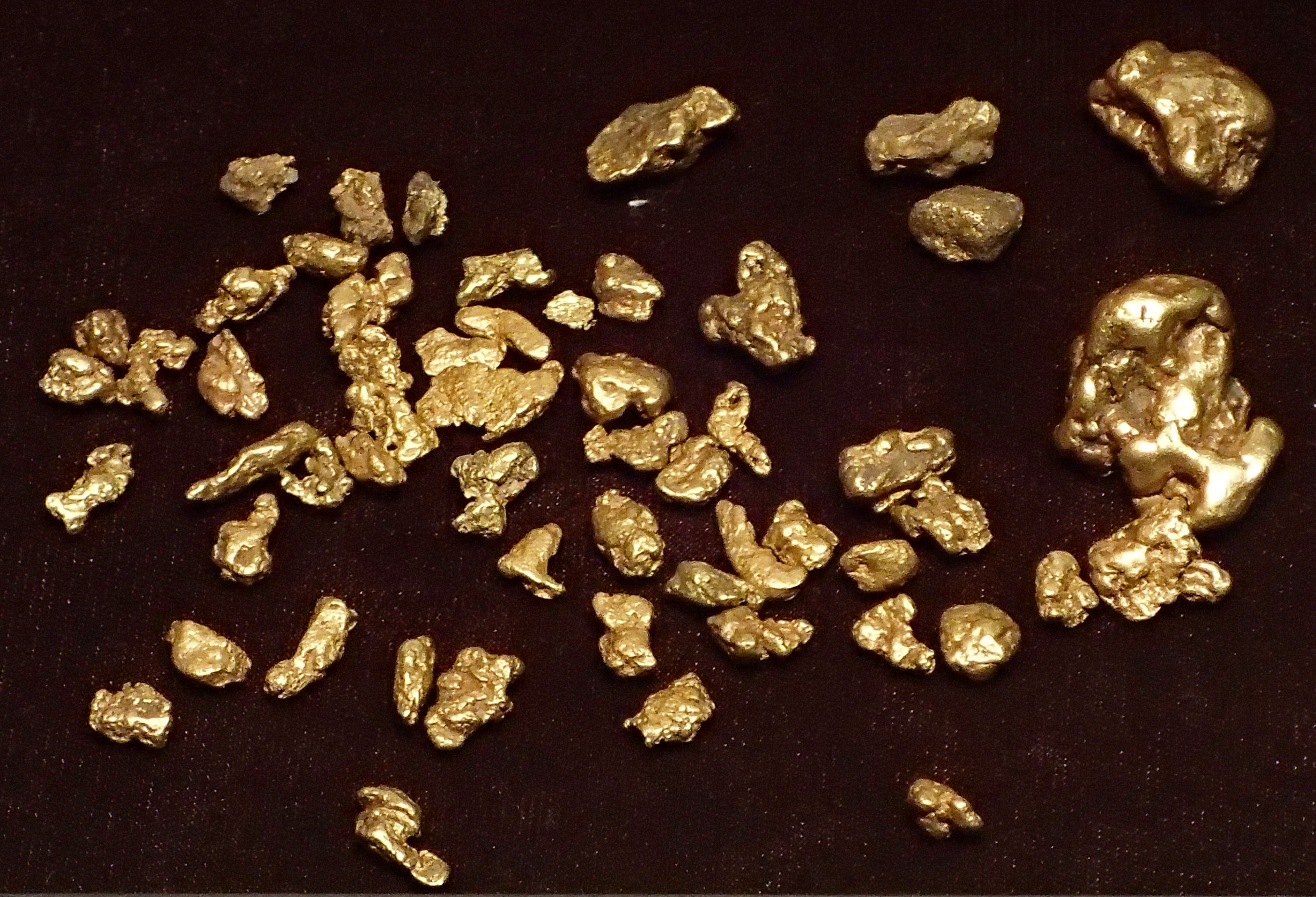
Small flakes collide and bond under pressure, gradually building into larger gold nuggets.
This accretion process explains why nuggets often have rough, pitted surfaces or dendritic (tree-like) structures.
Crystalline forms occur when gold grows slowly in low-pressure settings, creating geometric shapes.
Large nuggets are extremely rare because most gold erodes into fine particles before aggregating significantly.
The biggest ever found, like Australia’s “Welcome Stranger” at over 70 kg, are exceptional outliers.
Today, most recoverable nuggets weigh grams to a few ounces, with anything over 1 ounce considered notable.
Primary factors influencing formation include:
- Geological age and erosion rates
- Water flow dynamics in ancient rivers
- Presence of quartz veins supplying gold
These processes make gold nuggets a finite resource, driving their value in 2026 as new large finds become improbable.
Types of Gold Nuggets
Gold nuggets come in several distinct types based on origin and appearance, each appealing to different buyers.
Natural Gold Nuggets
These are classic placer-derived lumps with irregular, water-worn shapes.
They feature rough exteriors from tumbling in streams and often show quartz attachments.
Purity typically ranges 85-95%, with high market demand for aesthetic specimens.
Placer Gold Nuggets
Found in alluvial deposits (riverbeds or ancient gravels), placer nuggets are the most common type available today.
They are smooth or pitted from erosion and prized for their natural patina.
Examples from California or Australia often command strong prices due to historical significance.

Crystalline Gold Nuggets
Rarer and more valuable, crystalline nuggets display geometric structures like octahedrons or dendrites from slow growth in veins.
They have sharp facets and high luster, often fetching top premiums for their beauty.
Gold Nuggets vs Gold Flakes
Nuggets are solid chunks (typically >1 gram), while flakes are thin, leaf-like pieces under 1 gram.
Nuggets offer higher per-unit value and easier handling, while flakes suit small-scale panning but sell closer to spot.
Check this guide to learn about Gold Nuggets Ring in 2026.

How Much Are Gold Nuggets Worth?
The value of gold nuggets combines melt value (based on weight and purity at current gold spot price) with substantial premiums for rarity, shape, and origin.
As of January 2026, with gold spot around $5,200 per troy ounce, a basic 1-ounce nugget might start at $6,000-$7,000 (15-35% premium), while exceptional pieces exceed $10,000+ per ounce equivalent.
Key factors affecting price:
- Weight — Larger nuggets are exponentially rarer and more valuable per gram.
- Purity — Higher gold content (e.g., 95%+) increases melt value.
- Shape & Rarity — Sculptural or crystalline forms command 50-200% premiums.
- Origin — Australian or Alaskan nuggets often fetch more due to reputation.
- Spot Price vs Nugget Premium — Premiums cover scarcity; melt value is baseline.
- Collector Value vs Melt Value — Aesthetic or historical pieces far exceed bullion pricing.
In 2026’s bull market, demand pushes prices higher.
A 10-gram well-formed nugget might sell for $2,000-$4,000, while famous large specimens reach six figures.
Always calculate using current spot and verify with reputable dealers.
Check this guide to learn about Gold Nuggets Ring in 2026.
Gold Nuggets vs Gold Coins vs Gold Bars
Gold nuggets differ significantly from coins and bars in investment characteristics.
| Aspect | Gold Nuggets | Gold Coins | Gold Bars |
|---|---|---|---|
| Investment Value | High premium + appreciation | Close to spot + liquidity | Lowest premium, pure bullion |
| Liquidity | Moderate (collector market) | High (global resale) | High (dealers buy back) |
| Storage | Compact, secure safes | Easy, small sizes | Bulk for large amounts |
| Collector Demand | Very high (unique) | Moderate (popular designs) | Low (functional only) |

Are Gold Nuggets a Good Investment?
Gold nuggets can be excellent investments in 2026, offering long-term value appreciation beyond spot price trends.
Their rarity ensures premiums often rise with gold demand, especially as large specimens become scarcer.
Collector markets drive extra gains—beautiful nuggets have outperformed plain bullion during bull runs.
They suit investors who:
- Enjoy tangible, unique assets
- Seek diversification with upside potential
- Have patience for illiquid sales
- Risks include higher premiums and variable liquidity, but in uncertain times, natural gold nuggets provide strong hedging and enjoyment.
- For serious investors, 5-10% portfolio allocation can balance growth and preservation.
How to Identify Real Gold Nuggets
Spotting authentic gold nuggets requires careful checks:
- Visual signs — Natural color (golden-yellow to reddish), irregular shape, no uniform machine marks.
- Weight & density tests — Gold is dense (19.3 g/cm³); compare to size.
- Magnet test — Real gold is non-magnetic; attraction indicates iron pyrite fakes.
- Acid test — Nitric acid reacts differently; gold resists most acids.
- Certification — Buy from dealers providing assays or provenance.
Professional testing (XRF analyzers) confirms purity. Always start with trusted sources to avoid disappointment.
Common Fake Gold Nuggets & Scams
Fakes abound in the gold nugget market:
- Gold-plated rocks or lead cores
- Manufactured “nuggets” from melted scrap
- Online scams with doctored photos or too-good prices
- Avoid by buying only from reputable dealers, insisting on returns, and verifying in person when possible.
- Red flags include low prices or seller pressure.
Where to Buy Real Gold Nuggets Safely
Purchase gold nuggets from:
- Reputable online dealers (e.g., specialty sites with guarantees)
- Auctions (Heritage, eBay with authentication)
- Gold shows and mineral expos
- Private sellers (with testing)
- Look for return policies, certifications, and reviews.
- In Uganda, check local miners or international shippers.
- Use secure payments and insured shipping.
How to Store & Protect Gold Nuggets
- Store in home safes with fire/water protection, bank lockers for security, or insured vaults.
- Insure through homeowners or specialty policies covering theft/loss.
- Keep records for resale.
Selling Gold Nuggets: How & When to Sell
Best times: During gold price peaks or collector demand surges.
- Sell to dealers, auctions, or private buyers.
- Maximize value by providing provenance, photos, and tests.
- Large or aesthetic pieces fetch best prices via specialists.

Why Buy Gold Nuggets in Africa With 24K Gold Bars Africa
When writing this section for your site, focus on trust, authenticity, purity, logistics, and unique value — all key factors that both Google and serious buyers care about.
1. Direct Access to Africa’s Rich Gold Sources
Africa is one of the world’s richest continents for gold, with major deposits in countries like Ghana, Uganda, Tanzania, and the Democratic Republic of the Congo.
Buying nuggets through a dealer with local sourcing networks gives you access to authentic raw gold that isn’t inflated by multiple middlemen markups.
2. Certified & Genuine Gold Nuggets
24K Gold Bars Africa partners with licensed miners and verified refineries across Africa, ensuring every nugget we sell is genuine and legally sourced. This means buyers get authentic gold with verified origins, not unverified or misrepresented products.
3. Ethical and Transparent Sourcing
Transparency matters — especially in gold markets where scams and unregulated sellers are common. 24K Gold Bars Africa emphasizes ethical sourcing and full documentation, giving buyers confidence that their gold is conflict-free and legally compliant.
4. Professional Testing & Documentation
Every gold nugget from 24K Gold Bars Africa comes with assay reports and legal certificates, confirming purity, weight, and origin before export. This is crucial for resale, insurance, and international trade compliance — and a major differentiator from uncertified sellers.
5. Competitive Pricing With Lower Premiums
Because we sources gold directly from African mines and cooperatives, buyers often benefit from competitive pricing and lower premiums compared to markets in Europe, the Middle East, or North America where multiple markups are common.
6. Secure Export, Shipping & Logistics
Buying physical gold globally involves complex logistics, customs, and legal hoops. 24K Gold Bars Africa offers full export support, secure insured shipping, and customs documentation, minimizing risk and hassle for international buyers.
7. Worldwide Delivery & Customer Support
Whether you’re in the U.S., Europe, Asia, or the Middle East, we can arrange insured global delivery so your gold nuggets arrive safely at your doorstep.
Our team also helps guide new investors through pricing, purity, and purchasing decisions.
FAQs About Gold Nuggets
Are gold nuggets pure gold?
Not always—typically 80-95% gold, alloyed naturally.
Are gold nuggets worth more than gold bars?
Yes, due to rarity premiums; exceptional ones far exceed bars.
Can you still find gold nuggets today?
Yes, though large ones are rare; prospecting continues in Australia, Africa, etc.
Are gold nuggets legal to own?
Yes worldwide, but check export/import rules.
Conclusion
Gold nuggets represent the pinnacle of natural gold—rare, beautiful, and potentially lucrative in 2026’s high-price environment.
Their unique value combines melt worth with collector premiums, offering diversification and excitement beyond standard bullion.
If you’re ready to own a piece of geological history, Buy authentic gold nuggets from trusted dealer today. Contact us.
Check live gold prices, verify authenticity, or download our free buyer’s guide.
Secure your investment—explore real gold nuggets now and add timeless value to your portfolio.